タイベックバッグとは?

What Is a Tyvek Bag? Material, Properties, Uses & Care Explained

Pick up a Tyvek bag for the first time and something feels off. It crinkles like paper. It folds like fabric. It shrugs off water like plastic. And it weighs almost nothing.

That contradiction is the whole point.

Tyvek bags belong to a small category of products that don’t quite fit anywhere — not paper, not textile, not plastic film — yet borrow the best traits of all three. This guide explains what the material actually is, how it’s made, why brands keep choosing it, and how to tell a quality Tyvek bag from a knock-off.

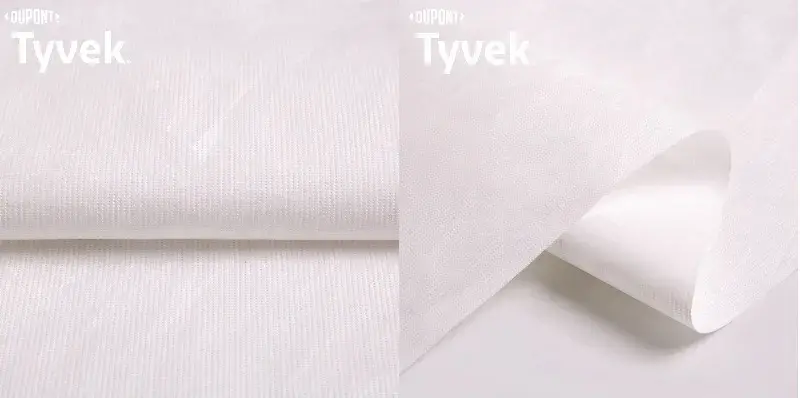
デュポン社製タイベック素材

What Is Tyvek Material?

Tyvek is a brand-name nonwoven sheet made from 100% high-density polyethylene (HDPE), produced exclusively by DuPont de Nemours, Inc. It is not paper. It is not fabric. It is a flash-spun, thermally bonded synthetic sheet — and the word “Tyvek” itself is a registered trademark.

A Short History

The story begins in 1955, when a DuPont researcher named Jim White noticed unusual polyethylene filaments escaping from a pipe in the company’s experimental lab. The observation triggered a decade of development. DuPont registered the Tyvek trademark in 1965 and brought the material to market commercially in 1967.

What began as a curiosity has since become standard issue in markets ranging from house wrap and medical packaging to courier envelopes and, more recently, lifestyle bags.

How Tyvek Is Made

The manufacturing process is called flash spinning — a proprietary DuPont technique that doesn’t resemble weaving, knitting, or papermaking.

Here’s the simplified version. HDPE pellets are dissolved in a solvent at high temperature and pressure. When the mixture is released through fine spinnerets into normal atmospheric conditions, the solvent flashes off instantly. What’s left behind are continuous, ultra-fine plexifilaments — finer than a human hair. These filaments are laid down randomly to form a web, then thermally bonded under heat and pressure into a finished sheet.

No weaving. No stitching. No adhesive. The fibers fuse to themselves.

That structure — random, dense, fused — is what gives Tyvek its strange combination of strength, lightness, and breathability. It is also why imitators rarely match the original, no matter how similar the surface may look.

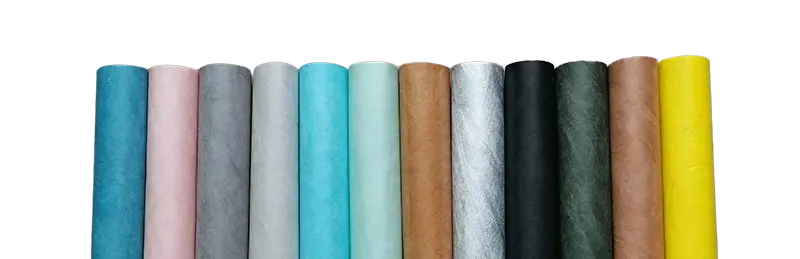
デュポン・タイベック紙(各色

Why Tyvek Bags Stand Out

Compared to traditional paper shoppers, woven cotton totes, or PP non-woven bags, Tyvek bags hit a different balance of trade-offs.

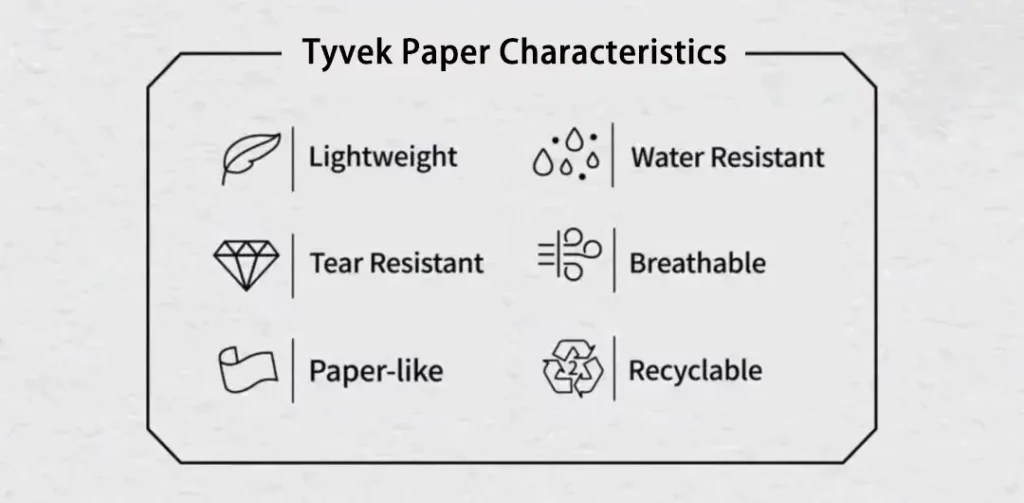
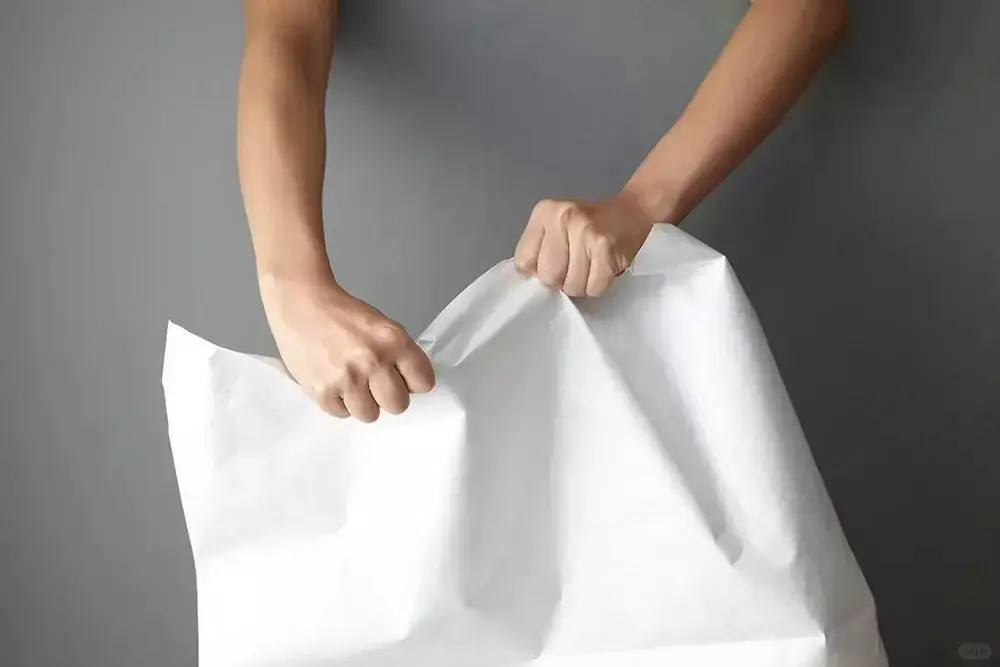
Tear and puncture resistance. Try ripping a Tyvek sheet by hand. You can’t — at least not without scissors or a starter cut. The interlocked plexifilament structure resists propagation of tears in every direction.

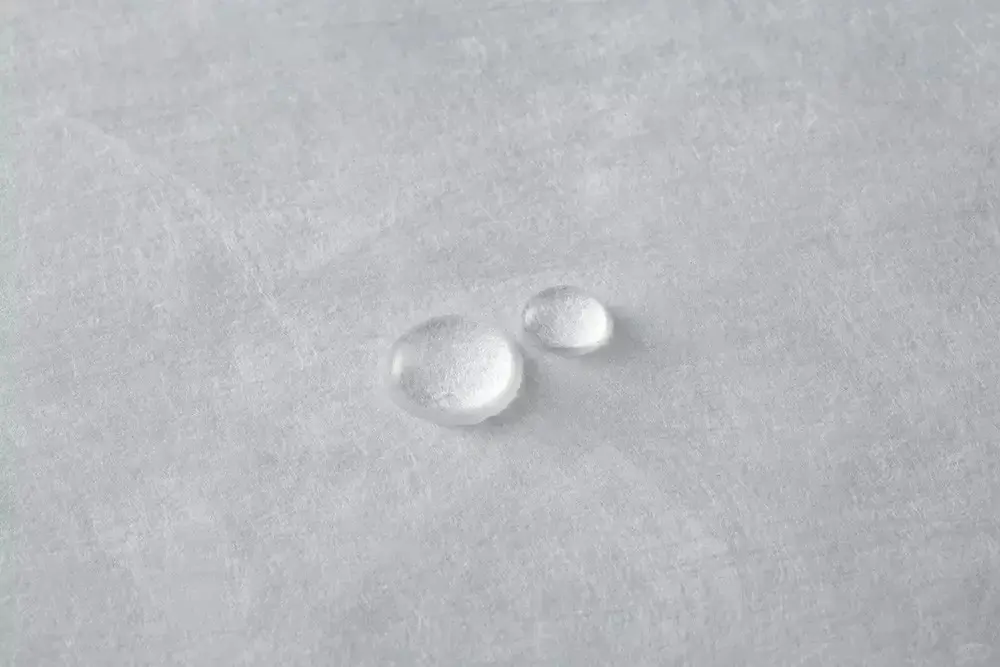
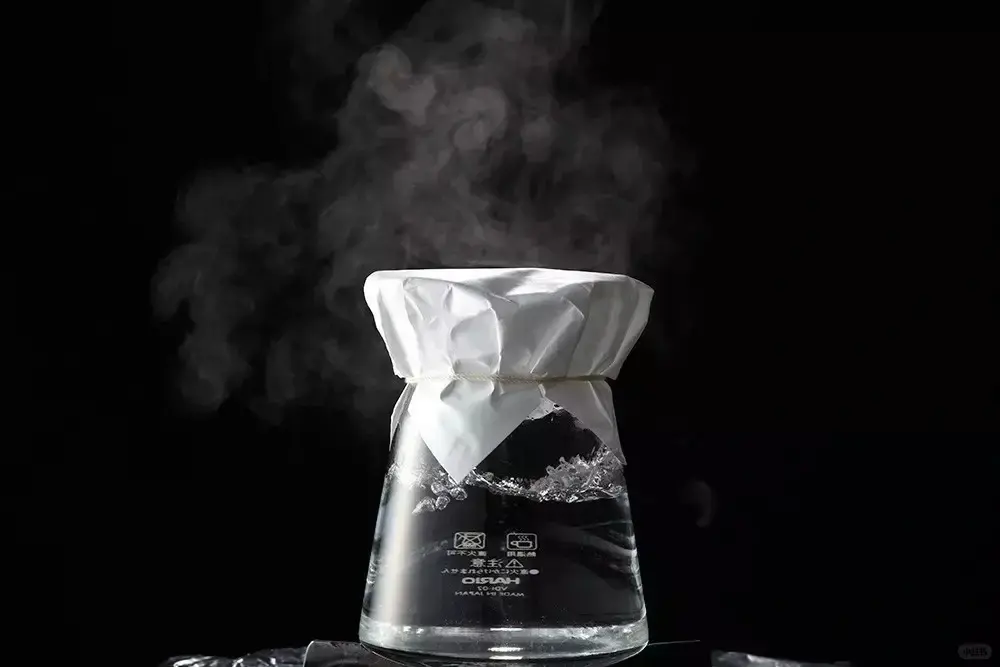
Water resistance with breathability. Liquid water beads on the surface and rolls off. Water vapor, however, passes through. This combination — hydrophobic but vapor-permeable — is the reason Tyvek dominates building wraps and surgical sterilization packaging. For a bag, it means contents stay dry in light rain while the bag itself never traps condensation.

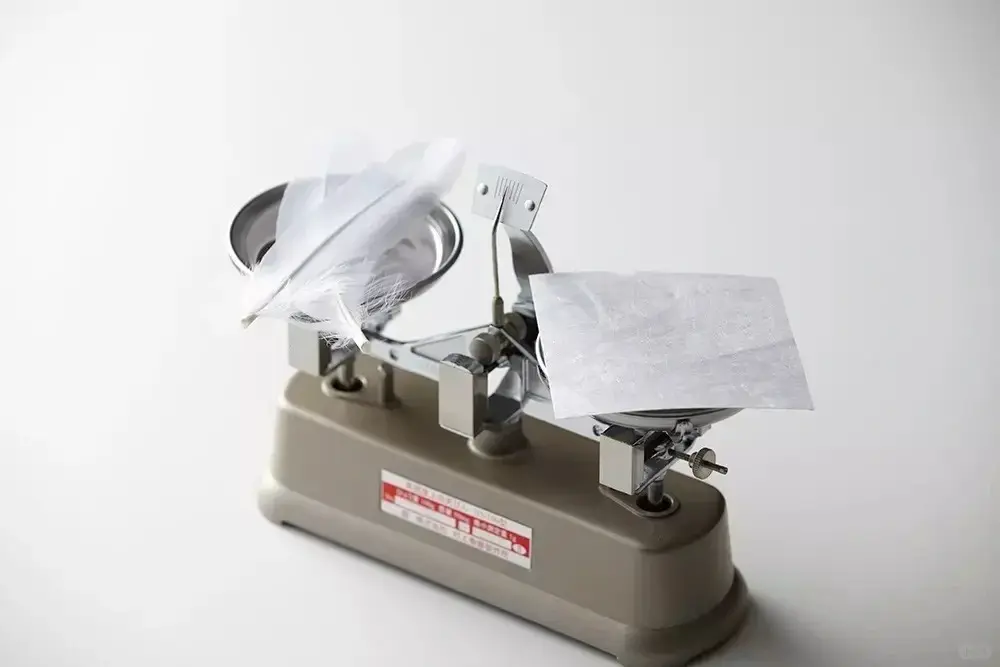
Featherweight. A standard Tyvek shopping tote weighs between 30 and 60 grams. Fold it. Stuff it into a jacket pocket. Forget it’s there.

Wipeable and washable. The smooth, non-porous surface releases dirt easily. Most marks come off with a damp cloth. The bag can be hand-washed in cool water and air-dried without losing structure.

Recyclable through dedicated channels. Because Tyvek is 100% HDPE (resin code #2), it is technically recyclable — but not in most curbside streams. More on this below.

What Tyvek is not: it isn’t bulletproof, it isn’t fireproof, and it isn’t a moisture barrier in the sealed-environment sense. Vapor passes through. That’s a feature for ventilated packaging, not a flaw, but it matters when choosing the right bag for the right job.

耐引裂性
タイベック防水
タイベック・ライトウェイト
タイベック

Tyvek Material Types & Grades

This is the section most consumer-facing articles skip — and the one that actually matters when sourcing a bag.

DuPont produces Tyvek in two main structural families, each with multiple specific grades.

Hard Structure Tyvek

Stiffer. Crisper. Holds shape like a sheet of cardstock but resists tearing like a fabric. Common grades used in bag manufacturing include 1073B, 1082D, and 1085D, typically in the 55–75 gsm range. These work best for structured shoppers, gift packaging, and bags that need to stand upright on a shelf.

Soft Structure Tyvek

Drapier. More textile-like in hand feel. Common grades include 1422A, 1442R, and 1622E, generally lighter at 41–75 gsm. These suit tote bags, drawstring backpacks, garment bags, and any application where a softer crinkle and natural fold are part of the design.

A skilled bag manufacturer often combines both — Hard Structure for the body, Soft Structure for handles or gussets — to balance structure against comfort.

Weight & Capacity Quick Reference

Grade FamilyWeight (gsm)典型的な使用例Suggested Load
Soft 1422A~41Lightweight tote, gift pouchUp to 3 kg
Soft 1442R~55Standard tote, drawstring bagUp to 5 kg
Hard 1073B~75Structured shopper, retail bagUp to 8 kg
Hard 1085D~80+Heavy-duty tote, archival use10 kg+

Numbers are approximate and intended as orientation, not specification.

Tyvek vs. Non-Woven PP vs. Washable Paper vs. Canvas

Buyers often confuse these four. They look related on a product page. They are not.

FeatureタイベックNon-Woven PPWashable Paperコットン・キャンバス
Base materialHDPE (polyethylene)ポリプロピレンCellulose + latexCotton fiber
TexturePaper-fabric hybridFelt-likeLeather-likeWoven cloth
防水性高いミディアムHigh (when coated)Low without treatment
Breathability高いミディアム低い高い
Tear strengthVery high低いミディアム高い
重量Very lightLightミディアムHeavier
RecyclabilityHDPE recyclablePP recyclable限定Cotton, compostable
Typical lifespan3–5+ years6–18 months2–4 years5+ years
Price pointMid-to-high低いミッドミッド

The short version: PP non-woven looks similar but tears far more easily. Washable paper feels closer to leather and ages differently. Canvas is heavier and absorbs water. Tyvek occupies a niche of its own.

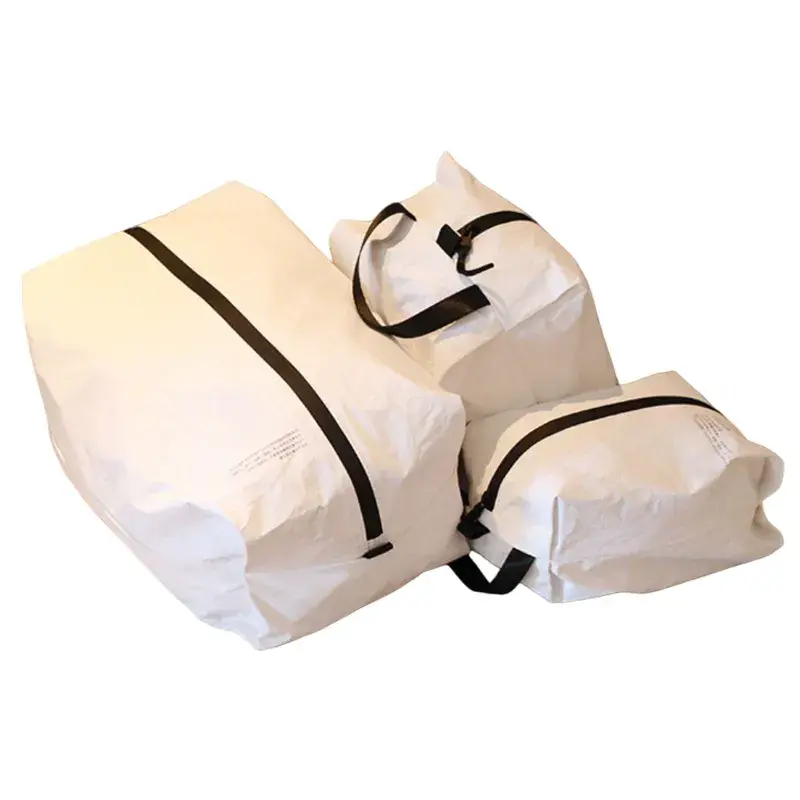
黒い持ち手とジッパーが付いた白いタイベック製保存袋のセット

Design & Customization Possibilities

The surface of Tyvek takes ink unusually well for a synthetic. That’s the practical reason designers keep returning to it.

Printing Compatibility

  • フレキソ印刷 — efficient for large runs of solid colors and bold graphics
  • スクリーン印刷 — best for high-opacity logos, especially on darker custom-tinted Tyvek
  • Offset printing — handles fine type and photographic detail; common for retail-grade bags
  • Heat transfer and DTG — used for short runs and full-color photo prints
  • Digital UV — increasingly popular for low-MOQ branded merchandise

There’s no need for the chemical pre-treatment that woven polypropylene often requires. Tyvek accepts ink directly, and dry times are short.

Structural Design

Because the sheet folds without cracking and seals well via ultrasonic welding, stitching, or heat bonding, designers aren’t locked into one construction method. Common formats include:

Flat shoppers. Gusseted totes. Drawstring backpacks. Zippered pouches. Foldable wallets. Garment covers. Bottle sleeves. Event bags. Wine carriers. Each of these can be produced in dozens of variations.

Handles can be self-fabric (cut from the same sheet), cotton webbing, nylon, or rope. Closures range from simple snap buttons to full YKK zippers. Finishing touches — embossing, foil stamping, embroidery on a fabric patch sewn onto the Tyvek body — open the door to genuinely premium-looking products at moderate cost.

Where Tyvek Bags Are Actually Used

Five real-world categories cover the bulk of demand.

小売店の買い物袋。. Replacing single-use plastic and paper bags in apparel, beauty, and specialty stores. Lighter than paper, far stronger, reusable for years.

Branded merchandise and event giveaways. Conferences, trade shows, museum gift shops. The combination of printability and shelf appeal makes Tyvek a frequent pick for premium swag.

Fashion accessories. Independent designers and major brands alike have released Tyvek tote and crossbody lines. The crinkle texture itself has become an aesthetic — distinctive without trying.

Travel and protective packaging. Garment bags, shoe pouches, dust covers for handbags. Breathability matters here: storing items in sealed plastic invites mildew, but Tyvek lets fabric breathe while keeping dust out.

Archival and art storage. Museums and private collectors use Tyvek envelopes and sleeves for prints, photographs, and documents. The material is chemically inert, lignin-free, and pH-neutral — qualities paper cannot match.

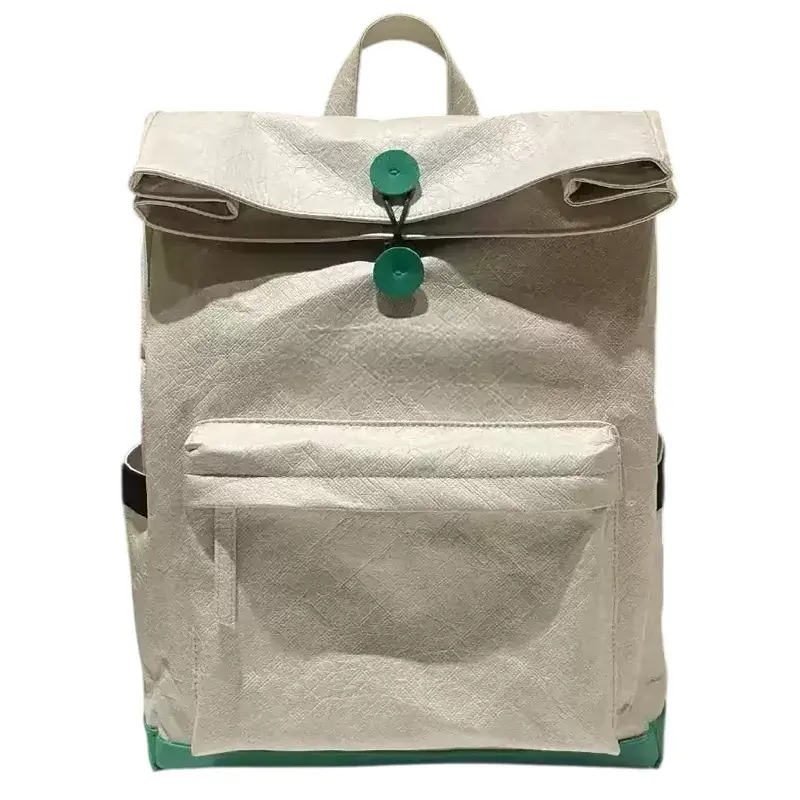
ミニマルな白のタイベック製バックパック、グリーンのボタン留めとフロントポケット付き

Are Tyvek Bags Eco-Friendly?

This is where careful language matters. Let’s separate fact from marketing.

Tyvek is recyclable, but not biodegradable. The material is 100% HDPE — the same resin used in milk jugs (#2). It can be recycled, but rarely through curbside programs that accept rigid HDPE containers. DuPont operates a dedicated Tyvek Recycle program that accepts clean, returned Tyvek for reprocessing into items like benches and outdoor furniture.

Reuse matters more than recycling. The strongest sustainability argument for a Tyvek bag is durability. A bag used 200 times displaces 200 single-use alternatives. Lifecycle assessments tend to favor any reusable bag once it crosses roughly 50–100 uses, and Tyvek comfortably exceeds that range.

It’s not compostable. Despite the paper-like appearance, Tyvek will not break down in soil or industrial composting. Marketing a Tyvek bag as “biodegradable” is inaccurate and, in several jurisdictions, regulated as greenwashing.

The honest summary: Tyvek is a long-life, recyclable plastic — not a plant-based alternative. Whether that fits a brand’s sustainability story depends on the brand.

How to Clean and Care for a Tyvek Bag

Care is simple, but a few details matter.

For light dirt — wipe with a damp cloth. That’s usually enough.

For tougher stains — hand-wash in cool water (below 30°C / 86°F) with a small amount of mild detergent. Avoid bleach, solvents, and abrasive cleaners. Rinse, press out water between towels, and air dry flat.

Never machine wash on a normal cycle, tumble dry, iron, or expose to open flame. Tyvek softens above 80°C (176°F) and melts above 135°C (275°F). High heat will deform the bag permanently.

Folding is fine. Tyvek bags are designed to fold and unfold for years. The characteristic crinkle softens with use — many owners consider this part of the appeal.

Storage — keep out of direct, prolonged sunlight. UV exposure over months will yellow and weaken the surface, especially on printed sections.

How to Spot a Quality Tyvek Bag

A few quick checks separate genuine, well-made Tyvek bags from imitations.

The genuine article carries a faint DuPont watermark or grade code visible against light on most rolls (often trimmed away in finished bags, but worth asking the supplier). The hand feel is distinctive — a soft crinkle, not a stiff plastic rustle. Seams are clean and either heat-welded or precisely stitched without puckering. Printing sits crisply on the surface without bleeding into the fiber structure.

If a “Tyvek bag” feels exactly like supermarket non-woven PP, it probably is.

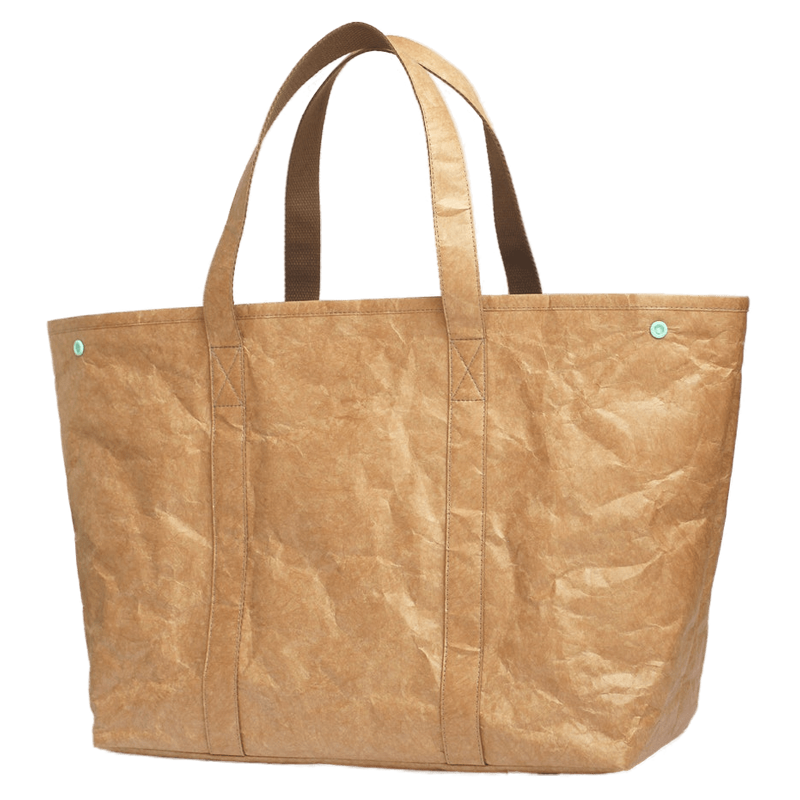
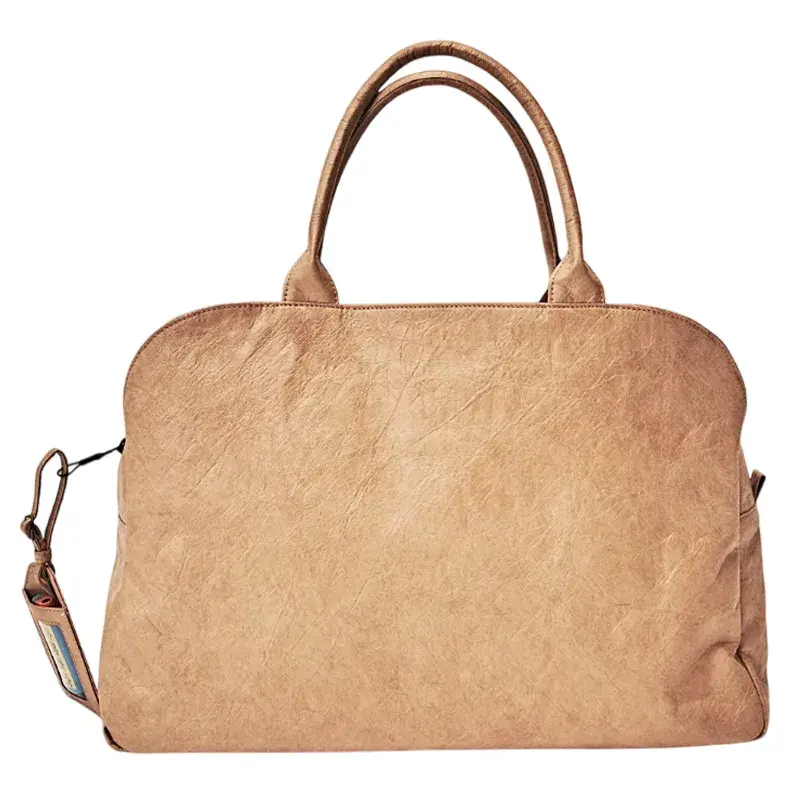
ブラウンのタイベック製トラベルバッグ、持ち手2本、取り外し可能なショルダーストラップ付き

よくある質問

Is Tyvek waterproof?

Tyvek is water-resistant, not fully waterproof. It repels liquid water effectively while remaining vapor-permeable. Light rain rolls off. Heavy submersion will eventually penetrate seams.

Can a Tyvek bag be washed?

Yes — hand wash in cool water with mild detergent. Skip the machine wash, the dryer, and the iron.

Is Tyvek plastic or paper?

Plastic. It’s 100% high-density polyethylene, processed into a nonwoven sheet through flash spinning. The paper-like appearance is texture only.

Is Tyvek biodegradable?

No. Tyvek is recyclable as HDPE but does not biodegrade or compost.

How long does a Tyvek bag last?

With regular use, three to five years is typical. Lighter use and proper storage extend that well beyond.

Is Tyvek the same as non-woven polypropylene?

No. Both are nonwoven synthetics, but the polymer (HDPE vs. PP), manufacturing process (flash spinning vs. spunbonding), and tear strength differ significantly.

Can I print my own design on a Tyvek bag?

Yes — Tyvek accepts most printing methods including screen, offset, flexo, and digital. Manufacturers typically require artwork in vector format for production.

Tyvek bags reward careful sourcing. The right grade for the right product, the right print method for the right artwork, and a manufacturer who knows the difference between Hard Structure 1073B and Soft Structure 1422A — these are the details that separate a premium branded bag from a forgettable giveaway.

ベーネバッグ has been producing custom Tyvek bags, canvas totes, jute bags, and washable paper bags for 18+ years, with exports to 50+ countries. Sourcing from authorized Tyvek material channels, we handle sample development, full-color printing, and bulk production in-house.

必要なものを教えてください。あとは私たちにお任せください!