Canvas Tote Bags by Use Case: Designed Backward from How People Actually Carry

Generic totes solve nothing well.

The unbranded 100-gram cotton bag handed out at every conference dies a slow death in someone’s closet — too flimsy for groceries, too plain for the office, too small for travel, too thin for tools. It fails because it was designed for no one in particular. The bags that survive — the ones consumers reach for daily, the ones brands reorder year after year — start from a use case and engineer outward.

At Bene Bags, we build canvas totes against twelve distinct use scenarios. Each carries its own specifications, its own typical fabric weight, its own pocket logic, its own handle and strap convention. Below: the menu, and the brief logic behind each one.

Lifestyle & Everyday Carry

Canvas Tote Bags for Women
Often the lead SKU in retail collections — lighter canvas (8–10 oz), considered proportions, premium handle options (leather, rope, trim), and color palettes tuned for fashion rather than utility. Frequently the bag clients put their highest decoration budget into, because the customer will carry it visibly in public.

Canvas Tote Bag for Men
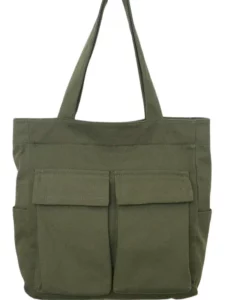
Heavier canvas (12–16 oz), darker palettes (charcoal, olive, navy, raw waxed), subdued branding, and structural details — reinforced bottoms, stitched leather patches, sometimes waxed finishes. Less ornament, more weight. Reads as practical without reading as promotional.

Promotional Tote Bag with Logo
The volume SKU. Designed for cost-efficient mass distribution: lighter weight, single-color screen print, standard cotton webbing handles, no closures, no pockets. Honest about what it is — a brand-impression vehicle, not a daily-carry product. Specify accordingly.

Work & Study

Canvas Tote Bags for Work
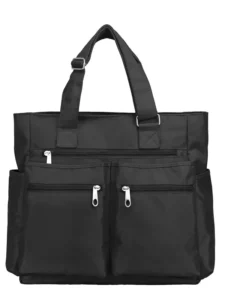
The office-grade tote: zippered closure, interior laptop sleeve or organizer pockets, a shoulder-friendly strap length, neutral palette (black, charcoal, stone). Often specified as a corporate gift with embroidered or subtle screen-printed logo — the kind of bag employees actually use rather than discard.

Canvas Laptop Tote Bag
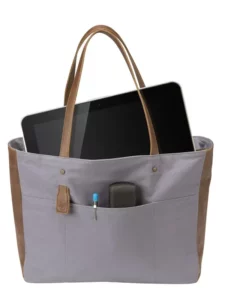
A specialized subset: padded compartment sized to a specific device range (13″, 15″, 16″), reinforced base, water-resistant or coated treatment, adjustable strap. The construction shifts significantly — heavier canvas, padded foam interior, taped seams. Treat this as a tech accessory more than a tote.

Book Canvas Tote Bag
The reader’s bag — long associated with bookstores, libraries, literary brands, and museums. Heavier canvas to handle book weight, longer straps for shoulder carry, often decorated with editorial typography or illustration rather than logos. A quiet category with passionate, repeat-buying audiences.

Shopping & Daily Errands

Canvas Shopping Bag
The retail standard: medium-weight cotton, reinforced handles, open top for fast loading at checkout, optional bottom gusset for capacity. Sized for clothing-store and gift-shop purchases rather than groceries. Decoration tends to be subtle — a logo or wordmark, not a campaign.

Canvas Reusable Grocery Bag
A different bag entirely, despite the family resemblance. Reinforced base (often boxed), heavier 12–16 oz canvas, capacity in the 20–30 liter range, sometimes coated or waxed for spill resistance. Built for repeat weekly use, not single-trip impressions.

Travel, Food & Beverage

Canvas Travel Tote Bag
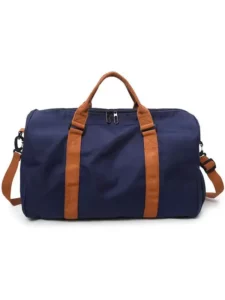
Larger format — typically 18″+ wide, deep gusset, exterior pocket for boarding passes or phones, sometimes a luggage-strap sleeve on the back panel for stacking onto rolling suitcases. Stronger straps, heavier base, often paired with leather trim for a premium travel-set aesthetic.

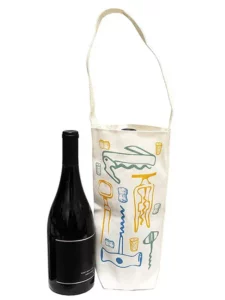
Canvas Wine Tote Bag
Niche but high-margin: padded dividers (1, 2, 4, or 6 bottle configurations), reinforced base to handle the weight, often a top closure to keep bottles upright. Specified by wineries, gift retailers, hospitality groups, and corporate gifting programs. Construction is closer to a soft-sided cooler than a standard tote.

Canvas Lunch Tote Bag
Compact dimensions, insulated lining (foil or thermal foam) where specified, top closure (zipper or velcro flap), wipeable interior. Built for the meal-prep, school-lunch, and corporate-wellness markets. Don’t conflate with general totes — the insulation construction is a separate manufacturing process.

Trade & Specialty

Canvas Tool Tote Bag
The industrial cousin: heavy 16–20 oz canvas, multiple exterior pockets sized to specific tool categories (sockets, drivers, tape measures), reinforced base, often with metal grommets or leather reinforcements at stress points. Sold to trade brands, hardware retailers, and gardening / craft companies. A serious construction job, not a fashion tote.

Use Case at a Glance

Use CaseTypical Canvas WeightCritical FeaturesBuyer Profile
Women’s everyday8–10 ozLeather/rope handles, color rangeFashion retail, lifestyle DTC
Men’s everyday12–16 ozWaxed finish, dark paletteHeritage retail, men’s brands
Promotional6–8 ozLogo print, low unit costEvents, conferences, giveaways
Work10–12 ozZipper, organizer pocketsCorporate gifting, B2B retail
Laptop12–14 ozPadded compartment, water-resistTech retail, education
Book10–12 ozLong straps, editorial printBookstores, museums, libraries
Shopping8–10 ozReinforced handles, gussetApparel and gift retail
Grocery12–16 ozBoxed base, high capacitySupermarkets, sustainability brands
Travel14–16 ozLarge format, luggage sleeveTravel retail, hospitality
Wine12–14 ozPadded dividers, reinforced baseWineries, gifting, hospitality
Lunch10–12 ozInsulation, wipeable liningWellness, school, corporate
Tool16–20 ozPocket array, grommets, leatherHardware, trade, craft

How to Choose

Define the user, then the use moment. “A tote bag” is not a spec. “A 16 oz waxed canvas grocery tote, 20-liter capacity, reinforced boxed base, leather-trimmed cotton handles, screen-printed wordmark” is. The more specific the use case, the better the product.

Match canvas weight to load. This is the most common spec error. Lightweight canvas on a grocery bag fails by month two; heavyweight canvas on a fashion tote feels stiff and unfinished. Weight follows function.

Don’t over-engineer promotional bags — and don’t under-engineer retail bags. A giveaway tote with leather handles wastes margin. A retail tote with raw seams loses repeat customers. The use case sets the construction budget.

Layer features against carry context. Laptop totes need padding and zippers and strap structure. Wine totes need dividers and base reinforcement and top closure. Single-feature thinking under-delivers; thoughtful feature stacks define the category leaders.

Sample at the use level. Load the laptop tote with an actual laptop. Carry the grocery tote with 12 kg of weight. Hang the wine tote with bottles in place. Real-world testing surfaces problems no spec sheet can predict.

Not sure which use-case configuration fits your brand? Request a Use-Case Consultation → — share your target user and carry scenario; we’ll recommend the canvas weight, construction, and feature stack that match.

Tell us what you need, and we'll take care of the rest!