
 English
  Spanish
  Portuguese
  Russian
  German
  French
  Italian
  Polish
  Dutch
Dutch  Greek
Greek  Hungarian
  Czech
Czech  Swedish
  Danish
  Finnish
  Norwegian
  Slovak
  Japanese
  Korean
  Arabic
 What is a Tote Bag? 6 Fun Facts You Didn't Know!
Why are tote bags so incredibly popular? Because their design is straightforward, their function is powerful, and they can hold almost anything. With a tote bag, you no longer need to stuff everything into your pockets. But have you ever truly delved into the world of tote bags? This article will share six interesting facts to ensure you have all the information you need before your next purchase.
1. What Defines a Tote Bag?
Etymologically, the word “tote” dates back to the 17th century and means “to carry”—a term that perfectly encapsulates its core function. In its modern sense, a tote bag is a large, portable bag featuring two parallel handles.

Core Design Features:
- Large Opening: The traditional design features an open top for quick and easy access. Modern variations frequently include zippers, magnetic clasps, or interior compartments to enhance security and functionality.
- Dual Parallel Handles: These provide comfort and stability for carrying by hand or over one shoulder.
- Simple Silhouette: Totes typically boast a clean and minimalist profile, allowing them to adapt effortlessly to various styles and occasions.
More than just a handbag, it is a versatile tool that carries your lifestyle, is suitable for everything from shopping and traveling to work, and can even serve as a chic fashion accessory.
2. What Are Tote Bags Used For?
The charm of the tote bag lies in its unparalleled versatility, allowing it to integrate into every facet of modern life seamlessly:
- Daily Commuting & Business: It is spacious enough to accommodate laptops, documents, chargers, and other work essentials. A high-quality leather or heavy-duty canvas tote is a tasteful extension of a professional image.
- Casual Shopping & Grocery Runs: As a stylish upgrade to the reusable shopping bag, it combines large capacity with durability, reflecting a commitment to a sustainable lifestyle.
- Travel & Vacations: It is the perfect “second carry-on,” easily holding in-flight essentials like books, snacks, neck pillows, or beach day necessities like towels and sunscreen.
- Fitness & Specialized Activities: It offers ample storage for a yoga mat, gym clothes, a water bottle, and more.
And, of course, they come in a vast array of stylish designs to match your flair.
3. What Materials Are Tote Bags Made Of?
Regarding the materials used for tote bags, it’s best to break them down by category.
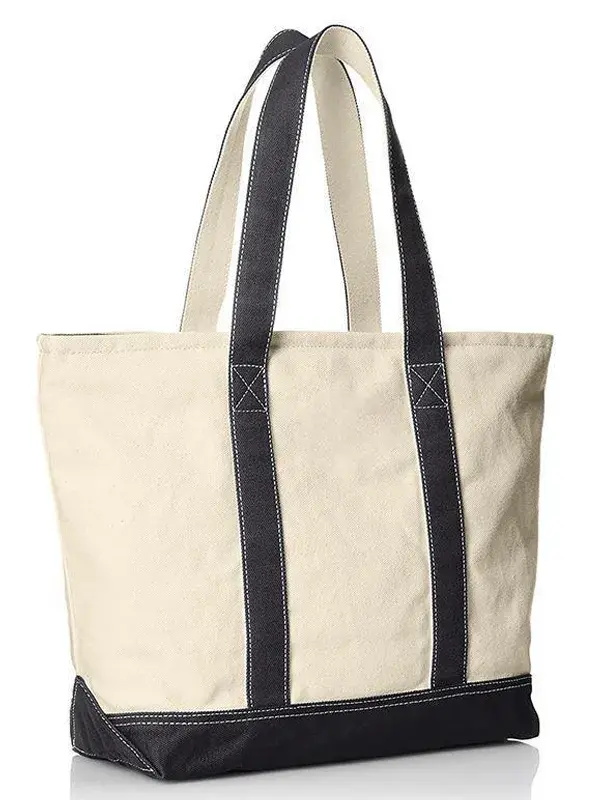
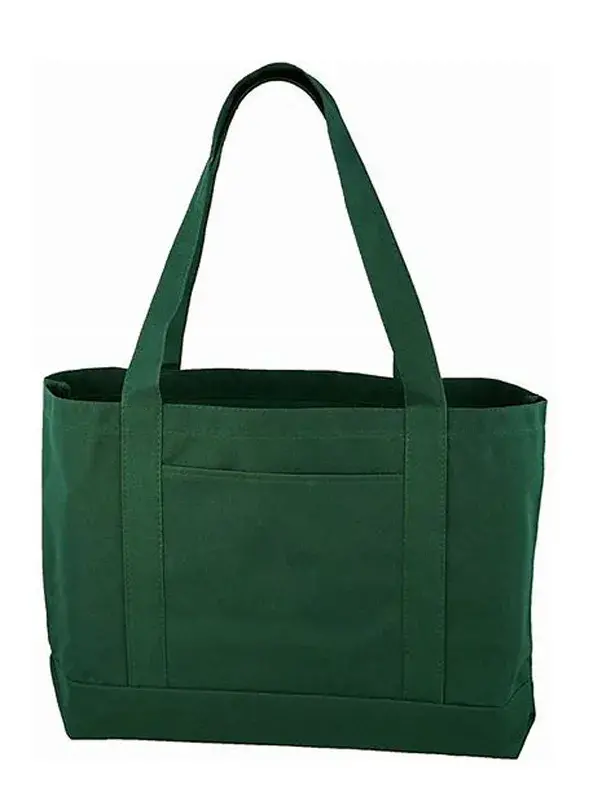
- Canvas: One of the most classic materials available. Typically made from cotton or linen, the canvas is renowned for its outstanding durability, strength, and structured silhouette. The thickness and durability of the canvas are often measured by a key metric: ounces (oz). A higher ounce count signifies a heavier fabric, making it thicker and more resilient.
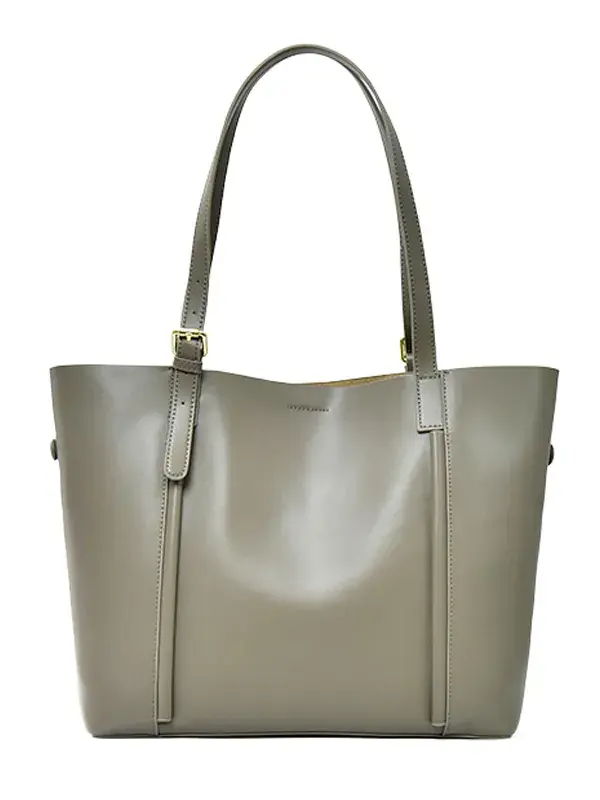
- Leather: The epitome of luxury and classic style. Whether it’s smooth, delicate calfskin or beautifully textured pebbled leather, this material infuses a tote with an innate sense of sophistication, making it a reliable companion for professional settings. What’s most fascinating is that genuine leather “ages” over time. Daily use evolves with your habits: the color may deepen and develop a rich patina, the sheen will become entirely unique, and even minor scuffs and marks will blend in, ultimately cultivating a bag that is exclusively yours and tells your personal story.
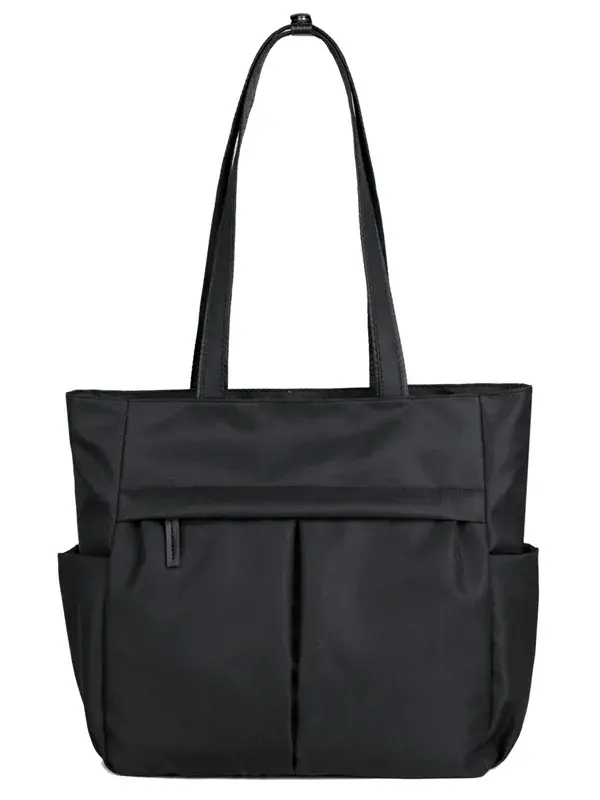
- Nylon/Polyester: Synonymous with modern functionality. These two robust synthetic fibers are celebrated for being lightweight, water-resistant, abrasion-resistant, and easy to clean, making them ideal choices for travel, outdoor activities, and frequent daily use. Wondering just how “tough” a nylon bag is? The answer lies in a value called “Denier” (D). The higher the number preceding the “D,” the thicker the yarn, resulting in a stronger, more durable fabric. For example, an ultra-lightweight packable bag might use 70D fabric. In contrast, a heavy-duty backpack designed for harsh environments may use ultra-strong 500D or even 1000D materials in key areas like the base.
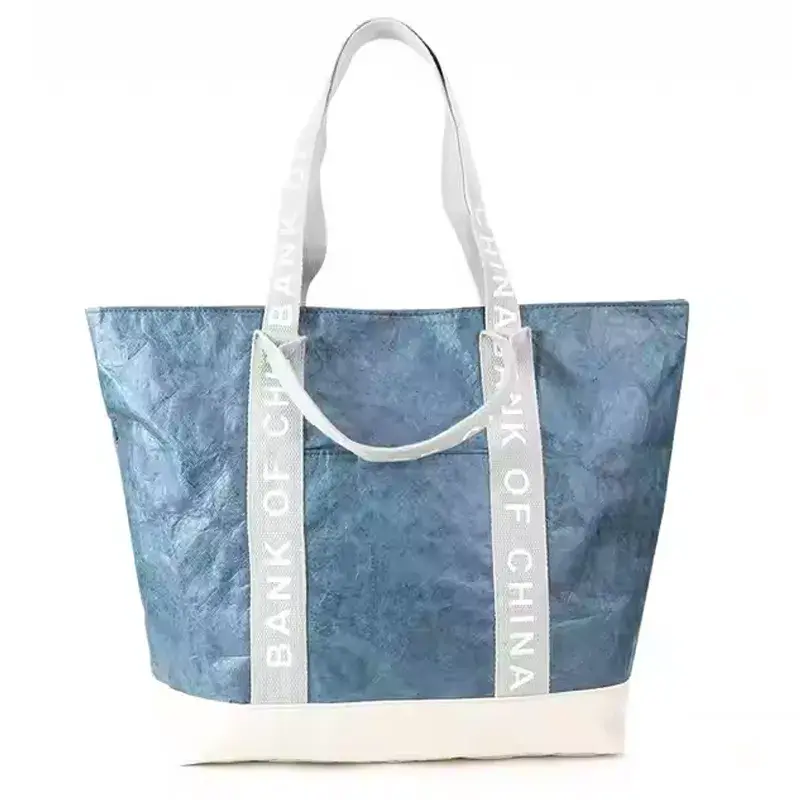
- Tyvek: The surprisingly high-tech “wonder fabric.” “Tyvek” is not paper; it is the brand name for an eco-friendly, non-woven material developed by DuPont. It has the crisp texture and clean look of paper yet offers the strength and lightness of fabric. It is exceptionally lightweight, significantly reducing the load on your shoulders. But don’t be fooled by its appearance—it is water-resistant and tear-resistant, durable enough to handle daily use easily, making it a reliable material. This is Tyvek: a fabric of fascinating contradictions.
- Natural Fibers: Distinctive and eco-friendly choices. As people increasingly embrace sustainable lifestyles, natural fibers like jute and cotton have become ideal bag materials. Both are environmentally friendly, yet they possess distinctly different styles and functions.
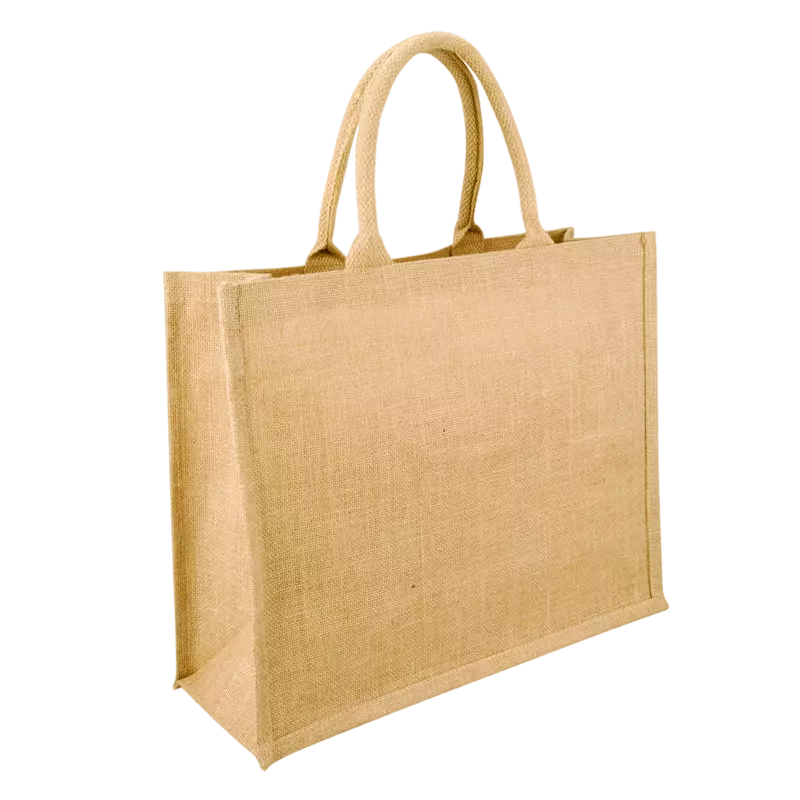
- Jute: The rustic and resilient option. It features a unique, coarse texture and a subtle natural sheen. Beyond being eco-friendly, jute provides a sturdy structure and a vintage feel. Its crisp, form-holding nature makes it perfect for creating shopping bags or home storage totes that need to stand independently and resist collapsing.
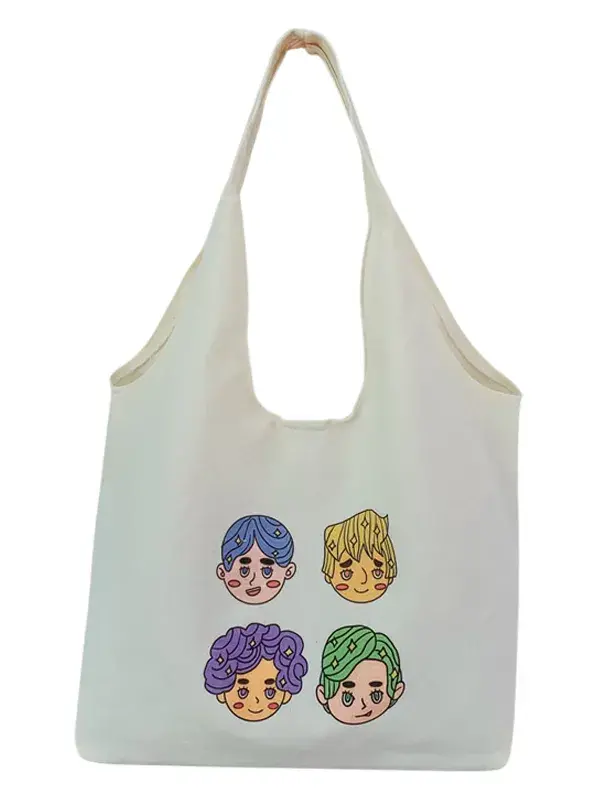
- Cotton: The soft and versatile creative canvas. Cotton is prized for its unparalleled softness and skin-friendly feel. It acts as a blank canvas awaiting artistry; its excellent ink absorption allows for flawless, high-definition, and colorful custom prints, making it the premier choice for personalized casual bags like promotional totes and event souvenirs.
How do you choose the best material for different occasions?
The table below provides a clear guide for your selection:
Primary Use | Recommended Materials | Advantages |
Daily Commuting & Work | Leather, Heavy Canvas | Professional appearance and robust construction provide excellent protection for devices and files. |
Fashion & Style | Leather, Suede, Designer Canvas, Tyvek | Its premium feel elevates any outfit, adding a touch of sophistication. |
Travel & Outdoors | Nylon, Polyester, Tyvek | Lightweight, water-resistant, and stain-resistant; easy to pack and ideal for changing conditions. Tyvek stands out for being exceptionally lightweight. |
Shopping & Market | Canvas, Jute | Excellent load-bearing capacity and wear-resistance; a durable, reusable, and eco-friendly choice. |
Beach & Vacation | Jute, Canvas, PVC | Lightweight materials that are resistant to sand and water, easy to clean, and have a relaxed, casual aesthetic. |
4. What Are the Standard and Optimal Sizes for a Tote Bag?
Wondering just how big a tote bag is? Don’t just rely on photos—learn to read its three key dimensions: Width x Height x Depth.
Here’s a simple way to understand them:
- Width: This is the measurement of the bag’s front panel from left to right. It primarily determines whether wider items, like a laptop or an A4 folder, will fit comfortably inside.
- Height: This refers to the distance from the bottom of the bag to the opening. It affects the bag’s overall capacity and its visual proportions when carried.
- Depth: This is the most crucial, yet most easily overlooked, dimension! It refers to the thickness of the bag from front to back and determines just how much you can “pack” in. A bag with sufficient depth is what allows you to easily fit bulky items like a water bottle, an umbrella, or a cosmetics pouch.
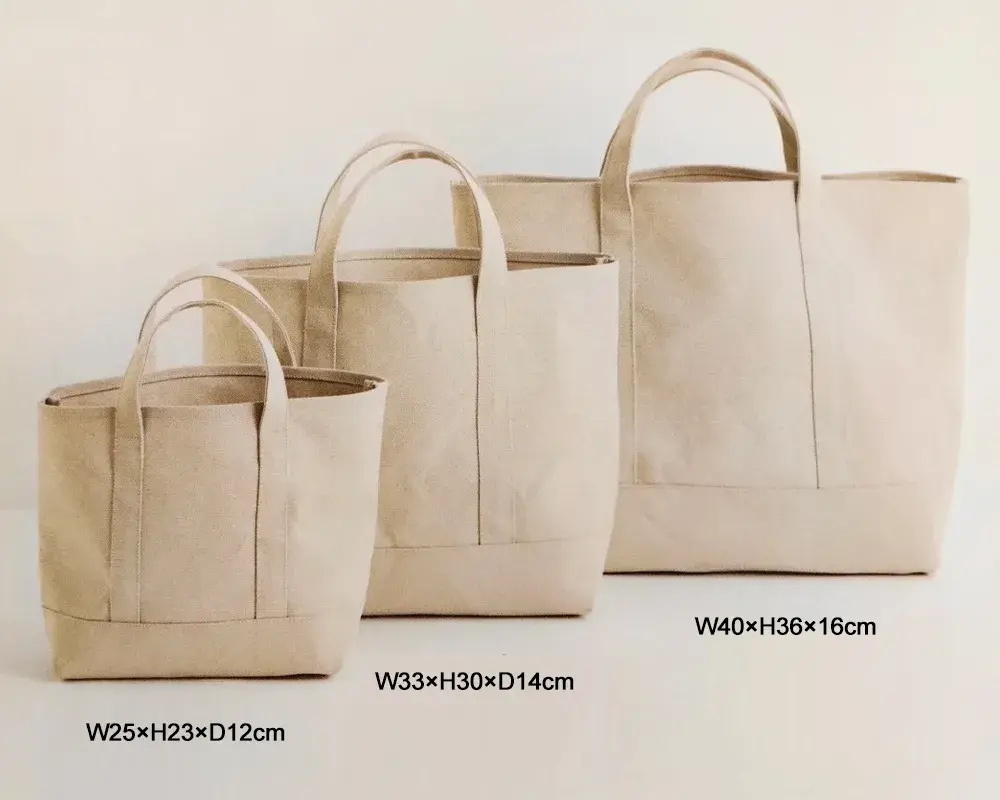
Choosing the right size is the first step toward finding your perfect tote. To help you make the best choice based on your daily needs, we’ve prepared a clear size guide.
Small Tote
- Typical Dimensions: 25-35 cm in width
- Core Function: Lightweight carrying. Designed specifically to hold core essentials like a wallet, phone, keys, lipstick, and a small notebook. It is perfect for quick outings, dates, or as a supplementary bag to your main luggage, offering both elegance and convenience.
Medium Tote
- Typical Dimensions: 35-45 cm in width
- Core Function: The daily commuter and all-rounder. This is the most popular “golden size,” typically able to accommodate a 13-14 inch laptop, A4 documents, a water bottle, and a makeup bag. It strikes the perfect balance between capacity and portability, making it the ideal choice for both professional and casual daily use.
Large/Oversized Tote
- Typical Dimensions: 45 cm and above in width
- Core Function: The extra-large capacity solution. This size is designed for scenarios requiring you to carry a large number of items, such as a short weekend trip (with room for 1-2 changes of clothes), a gym session, a family grocery run, or as a diaper bag. When selecting a large tote, be mindful of its own weight and ensure it is proportional to your height.
5. How Do Tote Bags Differ from Other Types of Bags?
In the ecosystem of bags, every design serves a specific purpose. What makes the tote bag stand out is its superior combination of advantages across several key dimensions.
Capacity and Structural Flexibility:
- Tote Bag: It features a large, unstructured main compartment that offers exceptional loading freedom, accommodating items of almost any shape or size.
- In Contrast: Traditional handbags and crossbody bags typically have limited capacity and fixed internal dividers, making them unsuitable for bulky or irregularly shaped objects. While a backpack offers significant volume, its compartmentalized structure can be restrictive when a single, cavernous space is needed.
Ease of Access:
- Tote Bag: Its signature open-top design makes retrieving items intuitive, quick, and efficient.
- In Contrast: A backpack must be removed to access items deep inside, while the flaps and buckles on a messenger bag add extra steps to the process. For scenarios that require frequent access to your belongings, the convenience of a tote is unparalleled.
Versatility and Stylistic Adaptability:
- Tote Bag: It is a true style chameleon. A single, well-designed tote can transition seamlessly from a business meeting to a casual shopping trip or a beach vacation.
- In Contrast: A clutch is often too formal for everyday use, while a backpack may appear unprofessional in a formal business environment. The tote bag effortlessly bridges these stylistic gaps through its variety of materials and designs, from casual canvas to sophisticated leather.
6. Are Tote Bags Still in Style?
The answer is a resounding yes, but the word “style” doesn’t quite capture its status. The tote bag has long transcended fleeting trends to become a timeless classic staple in the fashion world.
This standing is affirmed by two major trends:
- The Strategic Choice of Luxury Brands: Looking at the world’s top-tier luxury houses—from Louis Vuitton’s iconic Neverfull and Dior’s coveted Book Tote to Celine’s Cabas series—nearly every major brand treats the tote bag as a crucial canvas for showcasing its design aesthetic and craftsmanship. This proves it is no longer a seasonal trend but a core component of their brand identity.
- The “Effortless Chic” Movement: In an era that celebrates “Effortless Chic,” the tote bag has become the go-to choice for fashion icons and urban elites alike. Whether seen in celebrity street style or on a daily commute, it represents more than just immense capacity; it embodies a lifestyle that is minimalist, confident, and tastefully understated.
Therefore, owning a high-quality tote bag is not merely about chasing trends; it is an investment in a classic style that marries utility with beauty. It seamlessly integrates into every aspect of your life and will remain a trusted companion for years to come, proving that true fashion is found in unspoken practicality and elegance.
As a professional tote bag manufacturer, we offer you complete freedom to design a bag that perfectly aligns with your brand identity. You can choose from a variety of materials such as canvas, Tyvek, jute, or cotton, and personalize the size, color, and graphics. These bags are designed for repeated use, ensuring your brand gains continuous exposure. Start making a memorable and lasting impression on your clients with a personalized tote bag today.